
The Role of Environment in Decision Making
The environment in which individuals make decisions plays a pivotal role in shaping their choices. In casinos, every element of design is meticulously curated to create an atmosphere that encourages patrons to engage. The bright lights, vibrant colors, and luxurious textures aim to stimulate the senses and influence behavior subconsciously. This carefully orchestrated ambiance can lead players to spend more time and money, as the immersive environment fosters a sense of excitement and urgency. For those seeking quick payouts, the option to explore neosurf casino instant withdrawal can enhance their experience, ensuring that each detail, from the plush carpeting to the carefully selected artwork, is intended to create an inviting space that feels both exhilarating and safe.
Furthermore, the layout of a casino is strategically designed to guide movement and decision-making. By employing an open layout, casinos allow for easy navigation while minimizing barriers to access various gaming options. This fluidity creates an environment where patrons feel compelled to explore further, often leading them to areas they might not have initially considered. The placement of high-stakes tables near entrances is a classic example of this strategy, capturing the attention of new arrivals and enticing them to engage in gameplay. Thus, the design fosters a sense of curiosity that can ultimately lead to increased spending.
Additionally, sound plays a significant role in the psychological experience within a casino. The strategic use of music and the sounds of winning can create positive reinforcement, making visitors more likely to stay and play longer. These auditory cues, combined with enticing visuals, create an engaging tableau that influences players’ perceptions of their success and enjoyment, subtly reinforcing the desire to gamble more. The sounds of slot machines jingling and laughter from nearby tables create a lively atmosphere that enhances the overall experience, making patrons feel part of something bigger than themselves.
Color Psychology and Its Impact
Colors have a profound psychological impact on human behavior, and in the realm of casino design, this principle is leveraged to foster specific emotional responses. For instance, warm colors such as red and gold are often used to create a sense of excitement and energy. These colors can increase heart rates and stimulate appetite, which are instrumental in a casino environment where engagement is crucial. The strategic use of color can make certain areas feel more vibrant, drawing guests and encouraging them to participate in gaming activities. For example, the use of red near high-stakes tables can evoke a rush of adrenaline, enticing players to take risks.
Conversely, cooler colors, like blue and green, are typically associated with calmness and relaxation. These colors might be used in lounge areas where patrons can take a break from intense gaming sessions. By creating distinct areas with specific color schemes, casinos can influence how guests feel in different parts of the venue, nudging them toward either relaxation or heightened engagement. This deliberate use of color can have a lasting impact on the overall gambling experience, allowing guests to recharge in serene spaces before returning to the excitement of the gaming floor.
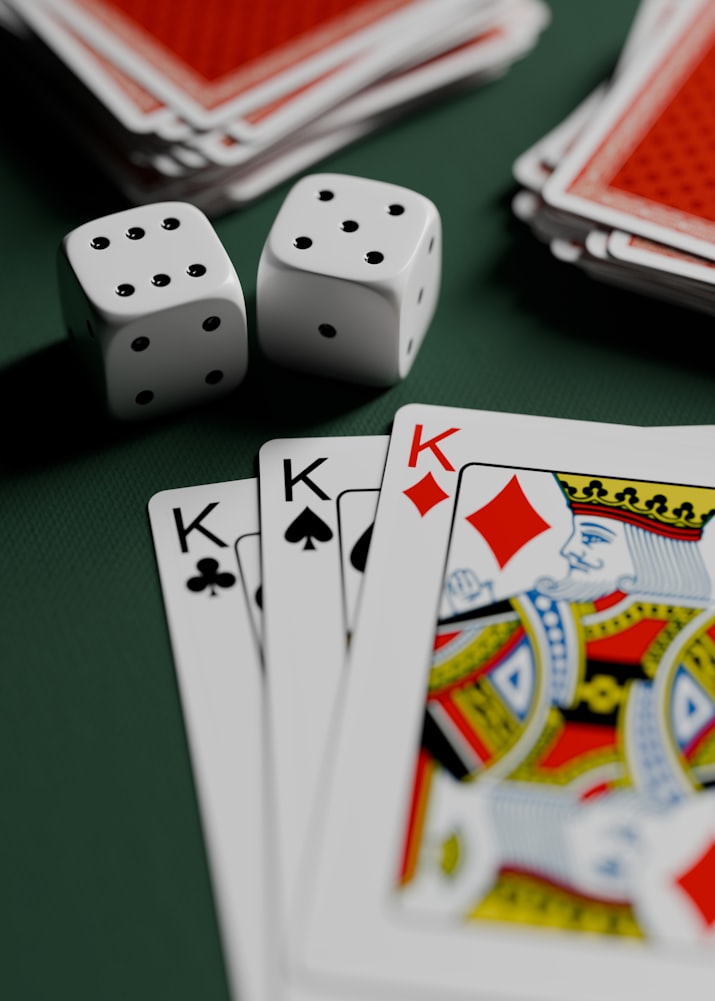
Moreover, casinos often employ colors in ways that guide decision-making. For example, the use of bright colors on gaming tables or slots can enhance the perception of wins, while neutral tones in less trafficked areas can encourage patrons to move through without lingering. This nuanced application of color not only enhances aesthetics but also shapes behavior by subtly influencing how guests interact with the gaming environment. The colors chosen for promotional materials can similarly affect how players perceive their chances of winning, fostering a sense of optimism that encourages continued play.
Spatial Design and Flow
The spatial design of a casino is a crucial element that affects player behavior and engagement levels. The layout is often crafted to maximize foot traffic and create a seamless flow throughout gaming areas. This design encourages patrons to move from one area to the next, exposing them to multiple gaming options and increasing their likelihood of participation. Strategic placement of high-stakes gaming and slot machines near entrances can draw in foot traffic and create a buzz that attracts even more players. This intentional design choice capitalizes on the natural curiosity of guests, guiding them toward new gaming experiences.
Moreover, the arrangement of gaming tables and machines fosters social interaction, which is another key element in the casino experience. By clustering tables closely together, casinos promote a lively atmosphere where players can engage with each other, making the gambling experience more enjoyable. This sense of community can lead to longer gaming sessions, as players often feel more inclined to stay when they are surrounded by others who share their interests and excitement. The social aspects of gambling can be just as important as the games themselves, contributing to the overall allure of the casino environment.
In addition, the thoughtful use of signage and pathways is essential in guiding patrons without confusion. Clear directional signs help players navigate the expansive casino floors, avoiding frustration and keeping them engaged. The flow of each area is designed to maintain momentum, encouraging patrons to explore and discover new games, thus enhancing their overall experience and increasing the potential for higher spending. This careful consideration of spatial design ensures that guests feel comfortable and welcome, allowing them to focus on enjoying their time rather than feeling lost or overwhelmed.
The Influence of Psychological Triggers
Psychological triggers are integral to casino design, as they evoke specific responses that influence player behavior. One prominent example is the concept of “near-miss” outcomes, which casinos often employ within games. When players come close to winning, even if they do not, they experience a surge of adrenaline that can encourage repeated attempts. This design element taps into the player’s psyche, fostering hope and encouraging continued play. Casinos are adept at using these triggers to sustain engagement, as players are often more likely to return to a game that has offered them a tantalizing glimpse of victory, making them feel as though a win is just around the corner.
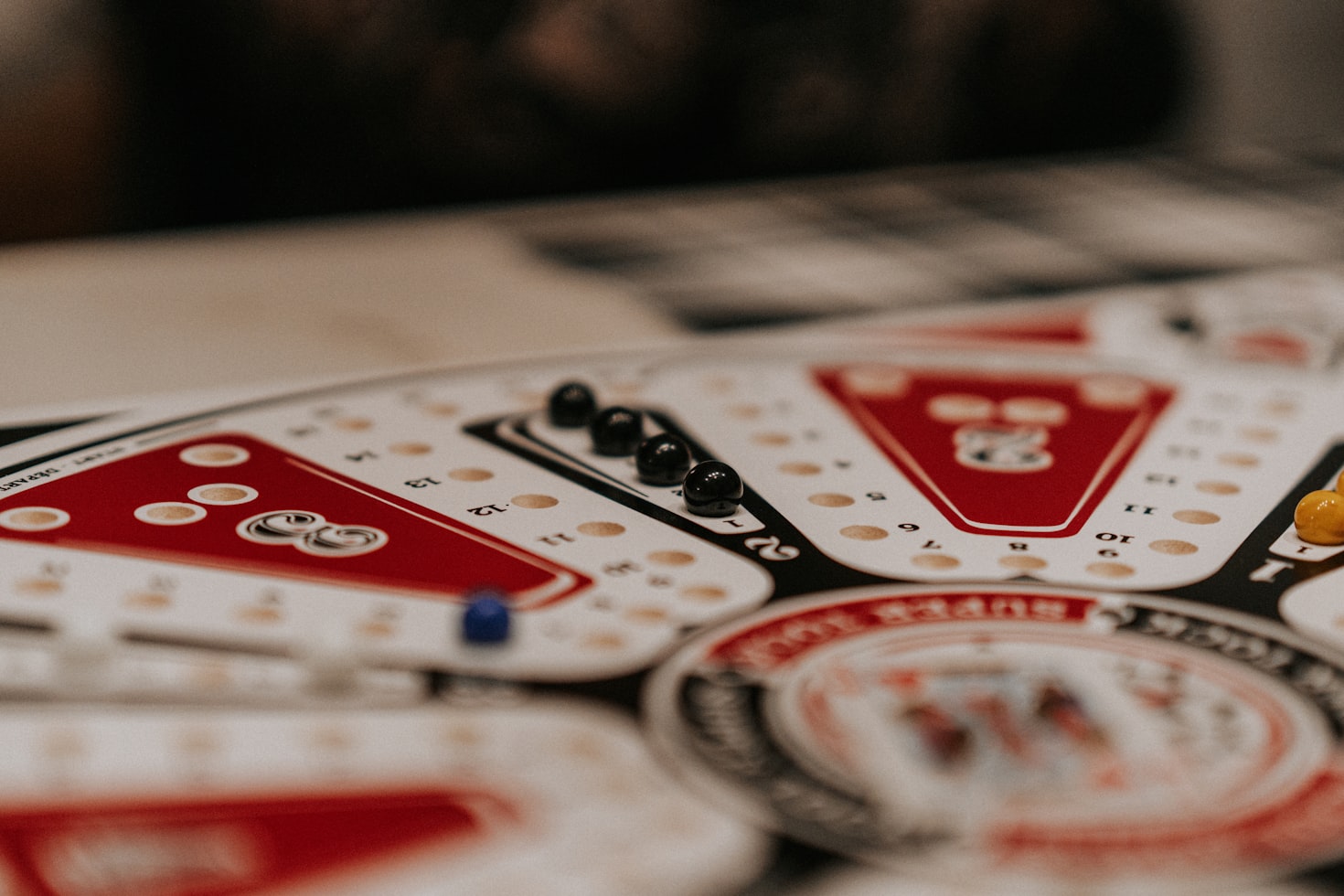
Additionally, casinos frequently utilize rewards and incentives that trigger feelings of accomplishment. Loyalty programs and bonuses can create a sense of belonging and reward, appealing to psychological needs for recognition and validation. This strategy not only helps retain players but also motivates them to engage more deeply with the casino’s offerings. When patrons feel valued, they are more likely to return, elevating their overall attachment to the establishment. The gamification of rewards enhances the excitement, making players feel as though they are part of an exclusive club.
Furthermore, the use of enticing promotional signs often capitalizes on scarcity and urgency. Phrases like “limited time offer” or “exclusive event” trigger psychological reactions that can compel players to make hurried decisions, often leading to increased participation. This approach can be particularly effective in high-traffic areas, ensuring that players feel they must act quickly to seize opportunities, further driving engagement and spending. The combination of urgency and exclusivity creates a powerful motivator, pushing patrons to take action rather than miss out.
Understanding Casino Design through a Psychological Lens
By examining the intricate relationship between psychology and casino design, it becomes clear that every aspect is intended to enhance the user experience while maximizing profitability. Designers and architects work in tandem to create environments that not only attract visitors but also keep them engaged and entertained. The psychology behind the design decisions—ranging from layout to color schemes—serves to enhance the emotional response of patrons, which subsequently influences their gambling behavior. Understanding these principles leads to more effective marketing strategies and improved customer experiences.
Moreover, understanding these psychological principles allows for a deeper appreciation of how casinos operate. The strategic use of environmental factors, colors, spatial design, and psychological triggers is rooted in extensive research focused on consumer behavior. This knowledge not only informs design practices but also shapes marketing strategies, directly impacting a casino’s success in attracting and retaining players. By aligning design with the psychological tendencies of guests, casinos can create a more compelling and satisfying experience.
Overall, the psychology behind casino design is a masterful blend of art and science. By creating immersive environments that appeal to the senses and influence behavior, casinos can effectively cultivate a space where guests are encouraged to enjoy themselves, ultimately leading to heightened participation in gaming activities. As casinos continue to evolve, an understanding of psychological principles will remain instrumental in shaping future designs. This ongoing evolution ensures that casinos can adapt to changing preferences and maintain their allure to a diverse clientele.